If you’ve been scrolling through listings or touring homes around Colorado, you’ve probably noticed the same three words getting mixed together over and over again: modular, manufactured, and mobile. They get tossed around like they mean the same thing, but they don’t, and the differences matter when you’re dealing with Colorado terrain, county codes, financing, or long-term value.
Let’s make this simple.
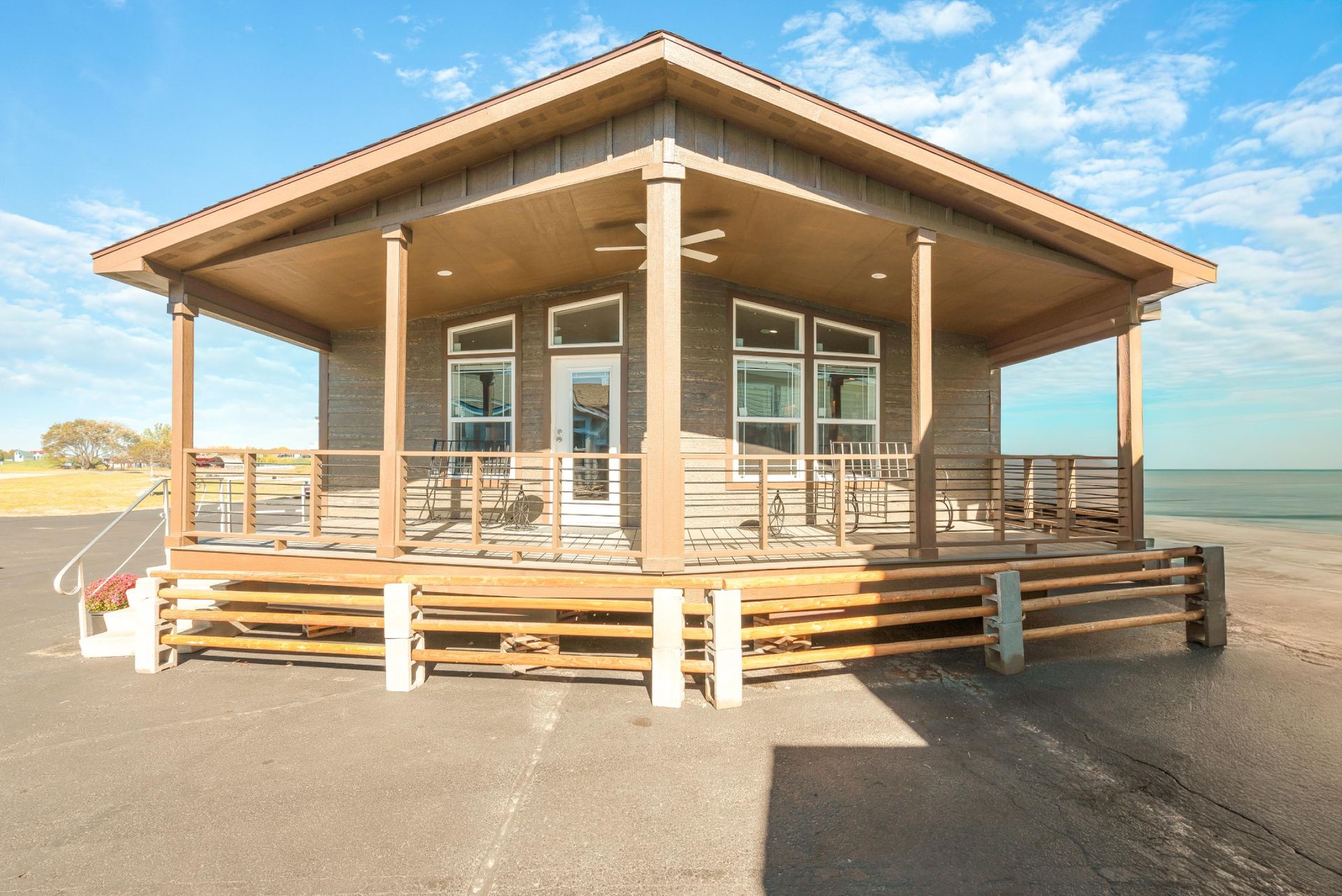
A modular home is built in a factory, inspected indoors, and constructed to the same IRC building codes as a site-built house. In Colorado, that means it’s engineered specifically for your county’s requirements, including snow loads, wind exposure, elevation, and foundation design.
Modular homes ship to your property in sections, get set on a permanent engineered foundation, and once finished, they’re treated just like any traditional home by appraisers and lenders.
Manufactured homes are built to HUD standards, not IRC. They are constructed on a steel chassis and leave the factory with a HUD certification label. These homes can be a good fit in communities designed for them, but they follow different financing rules and often have limitations based on the community or county they’re placed in.
Mobile home refers to pre-1976 homes built before HUD standards existed. People still use the term casually, but from a financing and regulatory standpoint, it’s an entirely different category.
Colorado is a patchwork of different snow loads, wind zones, freeze-thaw cycles, and soil conditions. Every county has its own requirements. Modular homes are engineered for the specific site they’re going to.
Because they’re built indoors, they avoid weather delays, warped framing, wet materials, and long stretches of downtime. When your foundation is ready, the home gets delivered, set, and finished without waiting weeks for perfect weather.
No, they aren’t. They meet the same local codes as site-built homes and sit on permanent foundations.
You can’t. Once they’re installed and finished, they’re permanent.
Manufactured homes are built after 1976 under HUD standards. Mobile homes are older and follow outdated rules.
Because modular homes meet the same building codes as site-built homes, lenders treat them the same way.
Manufactured homes can be financed too, but loan requirements vary based on foundation type, age, and whether the home is titled as real property or personal property.
If you want a home engineered for mountain weather, eligible for traditional financing, and built quickly without sacrificing quality, modular is usually the best fit.
If you’re unsure which home type fits your land or county, Rocky Mountain Modular Homes can walk you through everything step by step.
3 thoughts on “Modular, Manufactured, or Mobile? Understanding the Differences Before You Buy”
Very insightful — I’d love to hear your thoughts on related tools.
Great content — learned a lot, thank you.
Well-written and insightful. Would love to see case studies next.